
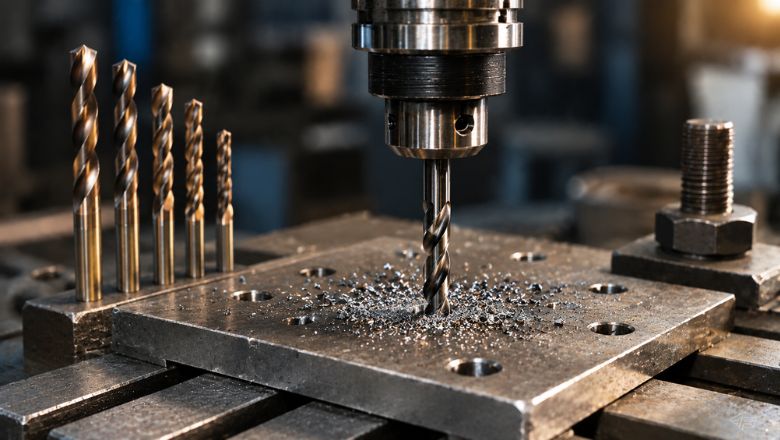
Common HSS Drill Bit Problems and Their Solutions
When it comes to metal drilling, precision and tool life are critical for productivity and cost savings. High-Speed Steel (HSS) drill bits are widely used in fabrication workshops, engineering industries, automotive manufacturing, maintenance departments, and construction projects due to their versatility and durability. However, even high-quality drill bits can experience performance issues if they are used incorrectly or subjected to challenging working conditions.
At Jay Tech Tools, we regularly work with professionals who rely on HSS drilling tools for consistent and accurate results. Understanding the common problems associated with HSS drill bit and knowing how to solve them can significantly improve drilling efficiency, reduce downtime, and extend tool life. Using High-quality drilling tools is one of the most effective ways to reduce common drilling issues and improve machining efficiency.
1. Drill Bit Becoming Dull Too Quickly :
One of the most common issues users face is rapid wear of the cutting edges. A dull drill bit requires more force, generates excessive heat, and produces poor-quality holes.
Common Causes:
- Excessive drilling speed
- Lack of cutting fluid or lubrication
- Drilling hard materials with standard-grade bits
- Incorrect feed rate
Solution:
Use the recommended spindle speed for the material being drilled. Apply suitable cutting fluid to reduce friction and heat generation. For tougher materials such as stainless steel, use premium-grade drilling tools designed for higher hardness and wear resistance.
Regular inspection and timely sharpening can also help maintain optimal cutting performance.
Choosing the correct drill bit according to the material being machined can significantly improve performance and tool life.
2. Overheating During Drilling :
Excessive heat is a major reason behind premature drill bit failure. Overheating can discolor the bit, reduce hardness, and damage the cutting edges.
Common Causes:
- High RPM settings
- Insufficient coolant
- Continuous drilling without pauses
- Poor chip evacuation
Solution:
Reduce drilling speed and ensure adequate lubrication. For deep-hole applications, periodically withdraw the drill to remove chips and allow cooling. Proper cooling not only increases tool life but also improves hole accuracy and surface finish.
Following recommended cutting speed guidelines can help prevent excessive heat generation and premature tool wear.
3. Drill Bit Breakage :
Broken drill bits can lead to production delays and material wastage.
Common Causes:
- Excessive feed pressure
- Misalignment between drill and workpiece
- Poor clamping of material
- Using a damaged or worn-out bit
Solution:
Always secure the workpiece properly before drilling. Use steady feed pressure and verify machine alignment. Inspect drill bits before use and replace damaged tools immediately.
Operators should avoid forcing the tool into the material, especially when drilling hard metals.
4. Poor Hole Accuracy :
In many industrial applications, dimensional accuracy is essential. If the drilled hole is oversized, undersized, or not perfectly round, the final product quality may suffer.
Common Causes:
- Worn cutting edges
- Machine spindle runout
- Improper drill point geometry
- Vibration during drilling
Solution:
Use sharp and properly maintained drill bits. Check machine spindle condition and ensure rigid work holding. Selecting the correct drill geometry for the application can significantly improve hole quality.
Regular quality inspections can help identify accuracy issues before they affect production.
For advanced metal machining applications, selecting the Right cutting tools is equally important for achieving consistent dimensional accuracy.
5. Excessive Burr Formation :
Burrs around drilled holes often require additional finishing operations, increasing labor costs and processing time.
Common Causes:
- Dull cutting edges
- Incorrect cutting speed
- Poor drill point condition
- Lack of support beneath the workpiece
Solution:
Maintain sharp cutting edges and use proper drilling parameters. Supporting the material from underneath can reduce exit burrs. Deburring tools may also be used when necessary.
Optimizing drilling conditions often minimizes the need for secondary finishing operations.
6. Chip Clogging :
Chip accumulation inside drill flutes can increase heat generation and reduce drilling efficiency.
Common Causes:
- Deep-hole drilling
- Incorrect feed rate
- Poor flute design for the application
- Inadequate coolant flow
Solution:
Use peck drilling techniques for deeper holes. Regularly retract the drill to clear chips and ensure proper coolant delivery. Efficient chip evacuation improves cutting performance and reduces tool wear.
7. Vibration and Chatter :
Chatter marks can negatively impact hole quality and accelerate drill bit wear.
Common Causes:
- Loose workpiece setup
- Excessive drilling speed
- Worn machine components
- Incorrect tool selection
Solution:
Secure the workpiece firmly and verify machine stability. Adjust cutting parameters based on material type and drill size. Using high-quality drilling tools with precise manufacturing tolerances can help reduce vibration.
Best Practices to Extend HSS Drill Bit Life :
To maximize performance and return on investment, consider the following practices:
- Use appropriate cutting speeds and feeds.
- Apply quality cutting fluids.
- Store drill bits properly to prevent edge damage.
- Sharpen tools regularly.
- Select the correct drill bit for the material.
- Inspect tools before each use.
- Follow manufacturer recommendations.
These preventive measures can significantly reduce operational costs and improve drilling consistency. Proper tool maintenance practices are essential for maximizing drill bit performance and reducing replacement costs.
HSS drill bits remain one of the most reliable and cost-effective drilling solutions for industrial applications. However, issues such as overheating, dull cutting edges, chip clogging, breakage, and poor hole quality can reduce productivity if not addressed properly.
By understanding the root causes of these problems and implementing the right solutions, manufacturers and workshop operators can improve efficiency, extend tool life, and achieve better drilling results. Jay Tech Tools is committed to supplying high-quality industrial drilling solutions that help businesses maintain precision, productivity, and long-term performance.
Improve Your Drilling Performance with Premium Industrial Tools :
Experiencing frequent drill bit wear, poor hole accuracy, overheating, or reduced productivity? The quality of your drilling tools can make a significant difference in machining performance and operational costs.
Jay Tech Tools offers high-quality industrial drilling solutions designed for precision, durability, and consistent performance across a wide range of metalworking applications. Whether you are a manufacturer, fabrication workshop, engineering company, or maintenance professional, our team can help you select the right drilling tools for your specific requirements.
Why Choose Jay Tech Tools?
- High-quality and precision-engineered drilling tools
- Reliable performance for industrial applications
- Longer tool life and reduced downtime
- Expert guidance for tool selection
- Competitive pricing and timely support
Need help choosing the right drilling solution for your project?
Contact Our Expert today for expert recommendations, product details, and a customized quotation. Our team is ready to help you improve productivity, reduce tool replacement costs, and achieve superior drilling results.
Partner with Jay Tech Tools for dependable industrial drilling solutions that deliver performance, precision, and long-term value.
FAQs :
Why does my HSS drill bit become dull so quickly?
HSS drill bits usually become dull due to excessive drilling speed, insufficient lubrication, incorrect feed rates, or drilling hard materials continuously. Using proper cutting parameters and coolant can significantly extend tool life.
How can I prevent an HSS drill bit from overheating?
To prevent overheating, use the correct RPM, apply cutting fluid, avoid excessive pressure, and periodically withdraw the drill bit during deep-hole drilling to clear chips and reduce heat buildup.
What causes an HSS drill bit to break during drilling?
Drill bit breakage is commonly caused by excessive feed pressure, poor workpiece clamping, machine misalignment, or using a worn-out drill bit. Proper setup and controlled drilling pressure help prevent breakage.
Why is my HSS drill bit producing oversized holes?
Oversized holes can result from worn cutting edges, spindle runout, vibration, or improper drill point geometry. Using a sharp and properly aligned drill bit improves hole accuracy.
How often should HSS drill bits be sharpened?
HSS drill bits should be sharpened whenever cutting performance decreases, excessive heat is generated, or burr formation increases. Regular maintenance helps maintain drilling efficiency and accuracy.
What is the best drilling speed for HSS drill bits?
The ideal drilling speed depends on the material being drilled. Softer metals require higher speeds, while harder materials such as stainless steel require lower speeds to prevent overheating and premature wear.
Why do chips get stuck in HSS drill bit flutes?
Chip clogging usually occurs during deep-hole drilling or when feed rates are too high. Using peck drilling techniques and proper coolant flow helps improve chip evacuation.
Can HSS drill bits be used for stainless steel drilling?
Yes, HSS drill bits can drill stainless steel, but using premium-grade HSS bits, lower drilling speeds, and adequate cutting fluid is recommended for better performance and longer tool life.
What are the signs that an HSS drill bit needs replacement?
Common signs include poor hole quality, increased drilling force, excessive vibration, overheating, chipped cutting edges, and reduced drilling speed.
How do I improve hole accuracy when using HSS drill bits?
Hole accuracy can be improved by using sharp drill bits, maintaining machine alignment, securing the workpiece properly, and selecting the correct drill geometry for the application.
What industries commonly use HSS drill bits?
HSS drill bits are widely used in manufacturing, fabrication, automotive engineering, metalworking, construction, maintenance workshops, and industrial machining applications.
Are HSS drill bits better than standard carbon steel drill bits?
Yes. HSS drill bits offer superior heat resistance, longer tool life, better wear resistance, and improved performance in metal drilling applications compared to standard carbon steel drill bits.
Which HSS drill bit problems affect drilling productivity the most?
The most common productivity-reducing issues include drill bit dulling, overheating, chip clogging, poor hole accuracy, excessive burr formation, and drill bit breakage. Addressing these problems early helps reduce downtime and improve machining efficiency.